
PREVENTION OF CRUELTY TO ANIMALS, 1960

 T-7

Animal Abuse

In a developing countries like India, China etc., animal abuse is very usual. For example, animals are used as a prop in circus ,even some people who owns a pet for entertainment and even in dairy farming  animals are mistreated for increased milk yield. Every animal deserves to be treated right with value. To ensure the animal rights and in order to stop animal cruelty and to thrive these animals, Govt. of India passed Prevention of Cruelty Act, 1960.


                                    PREVENTION OF CRUELTY TO ANIMALS, 1960

It defines the animals and different forms of animals (Domestic, Captive, Performing Animals) and enshrines the provision relating to the establishment of Animal Welfare Board, its functioning, power and regulatory under bodies. It provides certain guidelines relating to experimentation for scientific purpose along with it also discuss different forms of cruelty, exceptions and killing and suffering of the animal.  In case of suffering and killing of a animal, it commits to relive it from the discomfort and put fine or imprisons the culprit.Cruelty in General –  According of Section 11 of this Act, the following acts by any person are to be considered as cruelty :- 

  • Beating, Kicking, Runs over, Drives over, Tortures or otherwise treats any animal by unnecessary pain or suffering or any employment for such animals.
  • employs animal in work or labor which due to any disease, infirmity, wound or any other cause
  • Willful and unreasonable administration of any injurious drug or substance to any domestic or captive animal.
  • Cages and confines any animal or other receptacle having insufficient growth in length and breadth permitting the animal a reasonable opportunity to move around
  • keeping any animal chained or tethered by means of an unreasonable short or long chain for unreasonable time period
  • being the owner of any captive animal fails to supply it with adequate food, drink or shelter
  • Abandoning any animal in such situations causing it to suffer pain by reason of starvation or thirst, without any reason.
  • Offering for sale or possessing any animal which is suffering pain, distress due to mutilation, starvation, thirst, over crowding or other ill-treatment
  • For business purpose – organizes, keeps, management of any place for animal fighting or purporting to bait any animal or permits or offer place to be used or receives money for the admission of any other person to any place kept or used for any such purpose; or
  • promotes or participates in any shooting match or competition where captive animals are released for the purpose of such an event.

They shall be punished, in case of a first offense, with a fine extending up to 50 INR, and in case of second or subsequent offence committed within 3 years of previous offence, with a fine of 100 INR, or imprisonment for a term which can be extend to 3 months or more.  
However the following acts are excluded from the ambit of cruelty: –

  • the training of animals for bonafide military or police purpose or exhibition of any animals so trained 
  • Any animal kept in zoological garden or by any society or association which for its principal object the exhibition of animals for educational or scientific purpose. 
  • Dehorning/Castration/Branding/Nose-roping of any animal if done in a prescribed method.
Captive Animals

Captive Animal
Section 12 
– Penalty for Practicing Phooka or Doom Dev – If any person practice phooka on any cow or milch animal to improve lactation which is injurious to the health of animal or permits such operations being performed upon such animal in his possession or under his control, he shall be punishable with a fine which may extend to 1000 INR or with imprisonment for a term which may extend to a term of 2 years or with both, and the animal on which the operation was performed shall be forfeited to the Government. It is Cognizable Offence.

Section 13 – Killing of Suffering Animal – This provision relating to the killing of an animal so as to relieve it from any further suffering. This section is implemented by the order of Court. when the court decides it is cruel to keep the animal alive to direct that the animal be destroyed and to assign the animals to any suitable person for that purpose, and the person to whom such animal is so assigned shall as soon as possible, destroy such animal or cause such animal to be destroyed in his presence without unnecessary suffering.No order shall be made under this section except upon the evidence of a veterinary officer in charge of the area.

Experimentation of Animals – Chapter – IV – According to this Act, nothing shall affect the experimentation (including operation) on the animal for the purpose of Advancement through the new discovery of physiological knowledge, knowledge useful for decreasing the mortality rate, combating disease, suffering alleviation.  Experimentation is guarded under Section 14 of the Act.  Committee for controlling and supervising experiments on animal is constituted under the Section 15 of this Act. Committee’s fund shall include governments grants provided to it time and again along with the following made to the by any person – 

  • Contribution
  • Donation
  • Subscription
  • Gifts
Performing Animals

Using Animals for Performance 

Performing Animal
Exhibition and Training – Section 21 – 
It refers to exhibit at any entertainment to which public makes admission through purchasing of tickets and training means to train any animals for the purpose of such exhibition, and the term exhibitor and trainer has a corresponding meaning

.Section 22 – Puts Restriction on exhibiting performing Animals and Section – 24  gives Judicial Power to prohibit or  restrict exhibition or  training. Section 25 grants powers to any person authorized by the prescribed authority in writing and any Police Officer, not below the rank of  Sub-inspector to enter the premises.Section 26 – Offence in relation to the Performing Animal    

Exemptions – Section 27 
Treatment and Care Section 35 of this Act, The state government may appoint infirmaries for the treatment and care of the animals in respect of which offences under this Act have been committed, and may authorize the detention of any animal which requires its production before the magistrate.
For complete reading of the Prevention of Cruelty to Animal Act, 1960, Check the links below.                                   http://www.awbi.in/policy_acts_rules.html
http://www.awbi.org/awbi-pdf/APL.pdf

” I believe animals should be respected as citizens of this earth. They should have the right to their own freedom, their own families, and their own life.”  If you see any kind of animal cruelty around you, do not neglect it but report it using PCA -1960 to the nearest Police Station, Animal Organizations.                                

  THE GEEK VETERINARIAN

Laws and Regulation for Animal Feeder and Pet Owners

T-6

Feeding

In a developing country like India, Animal Feeders and Pet Family often face hatred since strays are seen as threat. Being a stray animal in India is like a war zone, beaten mercilessly and sometimes being killed for entertainment.However there are certain laws which give voice to these voiceless animals, which are as follows :-

  1. Prevention of Cruelty to Animals Act (PCA), 1960 – An Act to prevent the infliction of unnecessary pain or suffering on animals and for that purpose to amend the law relating to the prevention of cruelty to animals.
  2. IPC Section 428 & 429 of the constitution – to kill or main any animal, including the stray, is a punishable offence.
  3. Section 9, Wildlife Protection Act, 1972 – Disturbing or destroying eggs or nest of birds and reptiles or chopping a tree having a nest, can lead to imprisonment and fine up to Rs. 25,000.
  4. Section 11, PCA,1960 – It is illegal to poison stray animal
  5. Section 11(1) (i) & 11(1) (j) of PCA,1960 – It is against the law to relocate stray animals from their territory.
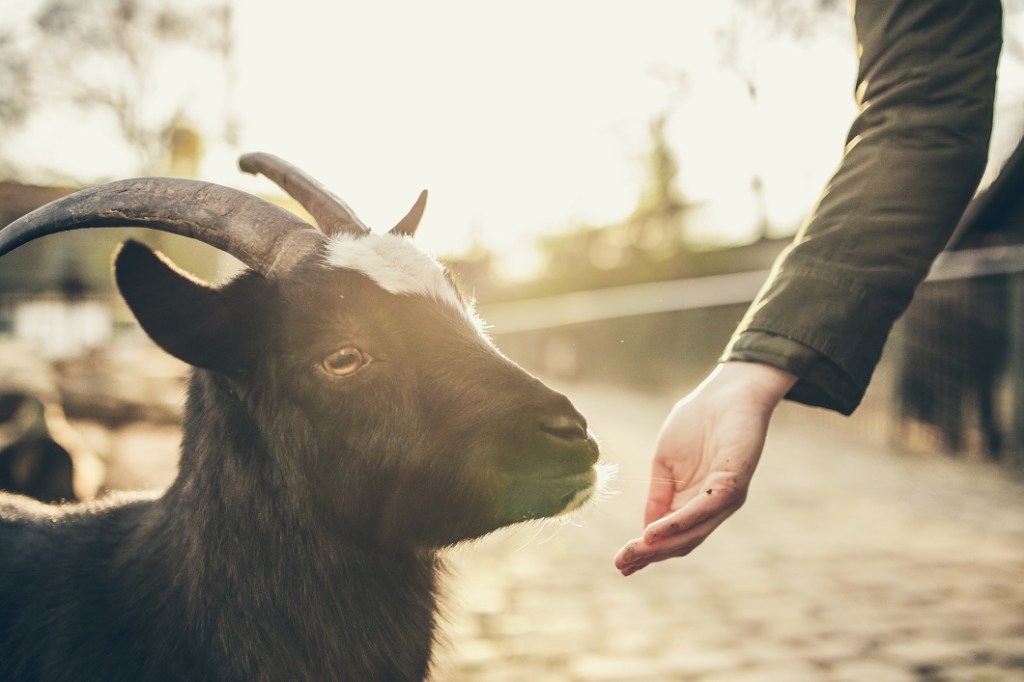
Feeding of a goat

Feeders and Family are threatened for feeding strays on road or keeping pet in there society, the Constitution of India provides you laws which allow you legally to feed stray animals or keep them as pets, which are stated as follow –  

  1. The Animal Welfare Board of India issues IDs for people who feed stray animals
  2. Implementation of PCA,1960; Animal Birth Control (Dogs) Rules, 2001, IPC, section 428 & 429 and Article 51A(g) of constitution.
  3. Article 51A– It is fundamental duty of every citizen of India to have a compassion for all living creatures.
  4. Article 21 guarantees the protection of life and personal liberty, If someone wants to feed and provide a shelter to dogs, he is at liberty to do so.
  5. 503 of IPC – Criminal Intimidation.

Circulars from Animal Welfare Board of India will help you see the big picture about feeding and sheltering stray and pet animals in public place or a society. It put some obligations on you too along with others.
                                        http://www.awbi.org/awbi-pdf/APL.pdf                                          

  Pet Dog and Street Dog Circular                                                                                                                    

    THE GEEK VETERINARIAN

Essential Reads

T-5

Vet Book

Many books have been and being written for Veterinary Science, but there are a few books about Veterinarians and fewest of them gives chills. They all are available on major stores online and offline.Buckle Up for a ride full of adventure, which you dream of living or you are hustling to live.

One glance at a book and you hear the voice of another person, perhaps someone dead for 1000 years. To read is to voyage through time”

  1. Leaders of the Pack: Women and the Future of Veterinary Medicine by Dr. Donald F. Smith & Julie Kumble.
  2. World Wild Vet: Encounters in the Animal Kingdom by Dr. Evan Antin
  3. The Elephant Whisperer by Lawrence Anthony and Graham Spence
  4. Wrestling with Rhinos: The adventures of a Glasgow Vet in Kenya by Jerry Haigh
  5. Alt-Vet: The revolutionary Pet Care and Longevity Solution  by Dr. Mitsie Vargas
  6. The Complete Herbal Handbook: For Farm and Stable by Juliette de B. Levy
  7. The Cat: Clinical Medicine and Management by Susan Little
  8.  The Business Side of Veterinary Medicine: What veterinary schools don’t teach you by M.Duffy Jones
  9.  Head to Tail Wellness: Western Veterinary Medicine Meets Eastern Wisdom by Stacy Fuchino 
  10. Placebos for Pets?: The truth about alternative medicine in Animals by Brennen Mckenzie
Inspirational Book

 11. No Way to Treat a Friend by Niall Taylor and Alex Gough

12. The Feline Patient by Gary D. Norsworthy     

13. How to Become a Veterinarian: What they do, How to Train, Daily life as a Vet, Is it really the right Career for you? by Dr. Susanna Lee     

14. On Being a Veterinarian: What to Expect, How to prepare by April Kung     

15. Five Minute Veterinary Consult: Canine Feline by Larry P. Tilley, Francis W.K. Smith Jr.     

16. The Nature of Animal Healing: The Path to Your Pet’s Health, Happiness and Longevity by Martin Goldstein     

17.Veterinary Herbal Medicine by Susan G. Wynn, Barbara Fougere      

18.How to become an Equine Veterinarian: A Guide for Teens by Justin B. Long, Erica Lacher     

19.The Treatment of Horses by Homoeopathy by George Macleod     

20.Blue Juice: Euthanasia in Veterinary Medicine (Animal Culture and Society) by Patricia Morris  

Diving into Practitioner's Life shows you a bigger picture of Do's & Don'ts. Reading these books will help you enjoy your work more and become an even better Veterinarian.                                                                                                                                

THE GEEK VETERINARIAN
Pet Vaccination

T-4

Routine Canine Vaccination

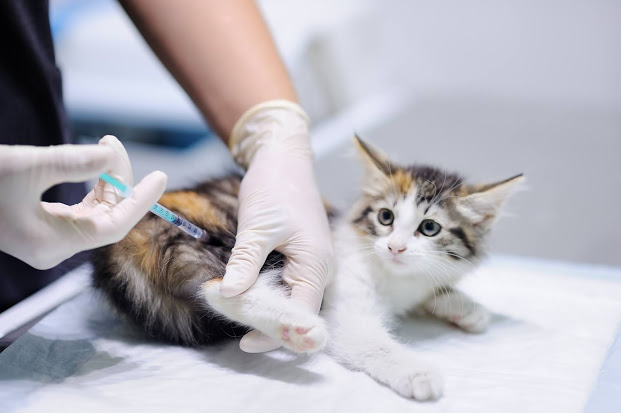
As we all are going through a pandemic, we are waiting for a Vaccine to be developed. Vaccine Programs are also important for Pets. 

Animals carries certain diseases which can be passed to humans and cause severe infection and this phenomena of passing is know as Zoonosis. Most common example of zoonotic disease is Rabies.

  Canine Vaccination 

Vaccine                                                Age of puppy

DHPP *                                                                    6-7 weeks

DHPP, Bordetella                                                         9-10 weeks

DHPP, Leptospirosis, Canine Influenza, Lyme Disease                          12-13 weeks

DHPP, Rabies**, Canine Influenza, Lyme Disease                        15-17 week

*Distemper, Hepatitis, Parvovirus, Para Influenza**Every 1-3 years  

  •  Core Vaccine 

                Canine Distemper
                Canine Parvovirus
                Hepatitis
                Rabies    
                Leptospirosis

  • Non Core Vaccine

                Bordetella
                Canine Influenza ( Dog Flu)
                Lyme Disease  
Canine Distemper-A severe and contagious disease caused by a virus which attacks the respiratory, Gastrointestinal(GI) Tract and Nervous System of Dogs. It spreads through air-borne exposure from infected animal. 

 It causes causes discharge from the eyes and nose, fever, coughing, diarrhea, seizures, twitching, paralysis and Death,

Canine Hepatitis – is a highly contagious viral infection that affects the liver, kidneys, spleen, lungs, and the eyes of the affected dog.  Symptoms ranges from slightest fever and congestion of mucous membrane  to vomiting, jaundice, stomach enlargement and pain around the liver.
        It is also known as Canine Adenovirus type-2.Canine Parvo Virus – is highly contagious virus which affects all dogs, but unvaccinated dogs and puppies less than the four month of age are at more risk to get infected. Virus attacks GI tract and create loss of appetite, vomiting, fever and severe bloody diarrhea.  Extreme Dehydration can come up rapidly and kill a dog within 48- 72 hours.

Para Influenza – is a contagious respiratory virus and is one of the most common pathogen of infection of tracheobronchitis. It is also known as Kennel/Canine Cough .

Rabies – as required by the Law,  It is a viral mammalian disease which attacks the CNS, causing , headaches, anxiety, hallucination, excessive drooling, fear of water, paralysis and Death.   Treatment within hours is essential, otherwise, death is highly likely. Leptospirosis – is caused by a bacteria, and some dogs may show no symptoms at all. It is a zoonotic disease, found in soil and water. Symptoms include fever, vomiting, abdominal pain, loss of appetite, weakness and lethargy, stiffness, kidney failure, infertility. Antibiotics are effective in earlier stages.

Feline Vaccination

             Feline Vaccination

  Vaccine                                                                                                          Age of Kitten  

 F3- Herpes, Caliciviral, Distemper                                                                            6-8 weeks 

F3 -HCD                                                                                                                    10-12 weeks     F3  -HCD                                                                                                                  14-16 weeks

  F3 -HCD                                                                                                                     1 year old      
F3-HCD                                                                                                                       Every 1-3 years

  • Core Vaccine

                Feline Herpes
                Feline Caliciviral
                Feline Distemper

  •  Non-core Vaccine

                Bordetella
                Feline Immunodeficiency Vaccine (FIV)
                Feline Leukemia Virus (FeLV)
                 Feline Infectious Peritonitis (FIP)

Feline Herpes – is one of the most common cause of cat flu or upper respiratory infections in Cats. It is highly contagious and can cause sneezing, conjunctivitis, eyes and nasal discharge, lethargy.It is also know as Feline Rhinotracheitis.
Feline Calicivirus –  is an extreme contagious flu. Typical Symptoms include sneezing, nose and eye discharge, tongue ulcers, decreased appetite. Occasionally the virus can cause Arthritis, Hepatitis, or Intestinal Problems
Feline Distemper – also known as Feline Panleukopenia or Parvovirus. This virus attacks the rapidly dividing cells in cat’s body, especially the cells in GI Tract, bone marrow, and lymph node. Decrease in the cell results in Panleukopenia (Shortage of WBCs) and Anemia (shortage of RBCs) and putting the cat at high risk of contracting other infectious diseases.   Damaged Intestinal Tract can cause cat to have severe vomiting and diarrhea.
Always Consult your Vet before Vaccination.


  “Vaccination saves lives at every stage of life”
                                                                                                                                                                           THE GEEK VETERINARIAN

Rudolf Virchow

 T-3 

 Rudolf Ludwig Carl Virchow, a German Pathologist, Prehistorian, Biologist, Writer, Physician and Anthropologist.

During his scientific career, he published a paper on pathological description of “Leukemia”. One of his major works involved in the advancement of The Cell Theory, by encapsulating, “Omnis e cellula – all cell arises from cells”and it was inspired from the work of Francesco Redi’s work ‘ Omne vivum ex ovo’.He was the first one to describe a type of tumor called “Chondroma“, which originates from Clivus. The concept of Thromboembolism was also noticed by Virchow, when he observed blood clots in pulmonary artery originates from first venous thrombi.

Virchow’s Node or Supraclavicular lymph Node which becomes enlarged and hard to palpitate, which is associated with gastric cancer.
One of his most admired work is Triads of Virchow or Virchow’s Triads.

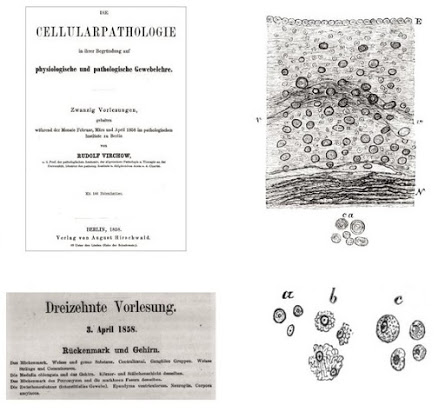
Cellular Pathology

The Cell Theory
He is also known as Father of Modern Pathology and Pope of Medicine. He devoted himself for the greatness of Veterinary and Medical Sciences.
He died at the age of 80 and rests at Alter St.-Matthäus-Kirchhof Schöneberg in Berlin, Germany.                                                                                                                                                                                                   The Geek Veterinarian

Veterinary Science and Animal Husbandry

  T-2

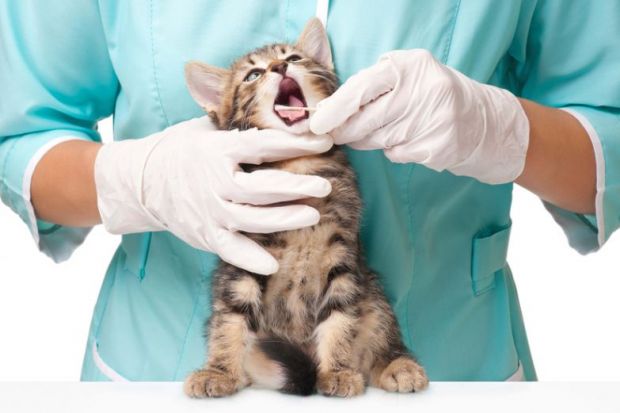
Small Animal Veterinarian

“Good Veterinarian talks to the animals. Great Veterinarians hear them talk back”

Veterinary Science is a branch of medicine that deals with the diagnosis, prevention, control and treatment of disease, disorder and injury in animals. Along with the same, it also deals with animal rearing, husbandry, breeding, nutrition and product development.
A Veterinarian deals with Domestic, Wild and Sports Animals also Aves & Reptiles.  According to Veterinary Council of India (VCI), Bachelor of Veterinary Science and Animal Husbandry is Five and a Half Year course, which constitutes 18 different subject covering all the animals, which have 179 credit hours.
The 1st Year of  B.V.sc & A.H is divided into 3 subjects as follows:- 

  • Veterinary Anatomy and Embryology & Histology [VAN]
  • Veterinary Physiology [VPN]
  • Livestock Production Management [LPM]

These 3 subjects carry 18 credit hours divided into Theory and Practical Classes.
As a fresher we have millions of questions what to do, which book to buy. So to avoid this, you can prefer to the listed books which are recommended by many professors of various Universities and Colleges across Indian.For Veterinary Anatomy, 2 books would be sufficient which are as follows:-

  1.  Primary Veterinary Anatomy (7th Edition)  &
  2. Essentials of Veterinary Histology and Embryology by R.K. Ghosh

For Veterinary Physiology,

  1. Duke’s Physiology of Domestic Animals (12th E) by William O. Reece
  2. Reproduction in Farm Animals (7th E) by Hafez   [ONLY FOR REPRODUCTION]

For LPM,

  1. A Textbook of Animal Husbandry by (8th E) by G.C. Banerjee or Livestock Production Management by N.S.R & C.K. Sastry
  2. Poultry Production Management by Jagdish Prasad

For best results do refer to the Lecture Notes.

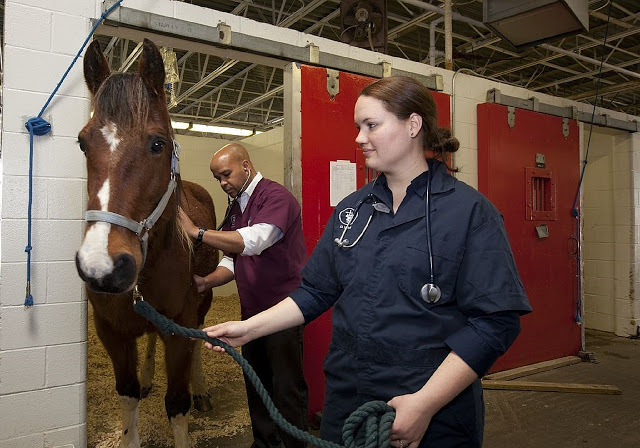
Equine Veterinarian

While regular reading and revision is the key to the success, you also need to know which topics to focus more on,  to avoid investing more time on things which require lesser.
Moreover you can reach me anytime at thegeekvet@gmail.com for any queries and curiosity.                                                                                                                         THE GEEK VETERINARIAN  

Shalihotra

T-1 

Veterinary Science dates back to ancient India, 3rd Century. A big name in Indian Veterinary Science is of Shalihotra, founder of Indian Veterinary Science.

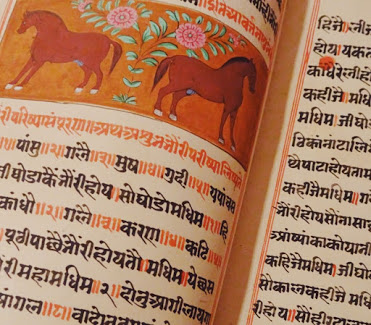
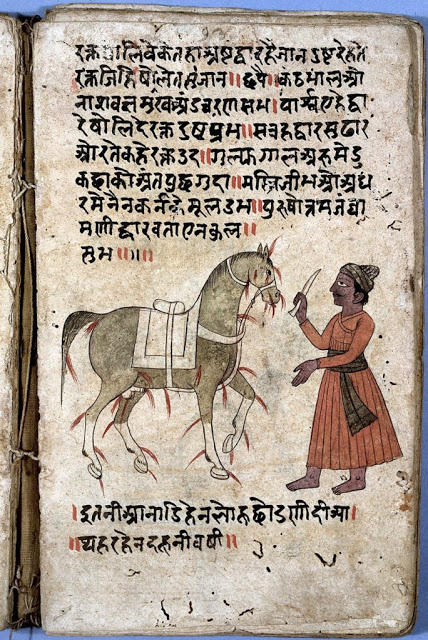
Shalihotra, was born in the area of Sravasati, in Uttar Pradesh. He was born to Hayagosha. He compiled scriptures about care and management of  Horses in his book named ‘Shalihotra Samhita – Encyclopedia of Sahalishotra’. 

Samhita consists of anatomy, physiology, surgery, diseases and cures composed in different 12,000 shlokas (verses) in Sanskrit, which was later translated in Persian,  Arabic, Tibetan and English languages. His work elaborated different body structures of horse species and identified the structural difference of teeth which can help  in determining the age of the Horse. He also wrote Asva-prashnsa and Asva-lakshana, respectively.

Shalihotra Samhita

 He passed his knowledge of  Veterinary Science to his disciple named Shusrut First known Surgeon  in the world, who devised 101 instruments and taught people the importance of Health.

                                                                                                                  The Geek Veterinarian