Comprehensive Guide to Feline Asthma: Pathogenesis, Diagnosis & Therapy

T-27

Asthma in cats. Physiology, pathology, diagnosis and treatment.
Asthma in Cat

Respiratory System is divided into conducting, translational, and exchange systems. Any deviation in the functioning leads to respiratory system disorders, which then become the cause of morbidity and mortality in animals across species. Asthma is one such pathology of the respiratory system occurring in felines.

What is Asthma?

Asthma is a chronic respiratory disease that affects the airways in the lungs, causing breathing difficulty by narrowing the tubular structures and inflammation of the mucosal lining. It is characterized by recurrent bronchoconstriction, cough, or dyspnea (difficulty in breathing). In Felines, Asthma is also known as Feline Allergic Bronchitis.

Pathogenesis is not well-establisehd in felines, but it is belived that its triggered by aeroallergens.
Clinically the condition is associated with cough, episodic expiratory respiratory distress. But the immuno-pathonesis is something which is used to understand the asthamic reaction.

Immunopathogenesis

When an allergen is inhaled, dendritic cells absorb it and use it to process antigens that are taken from the lumen of the airway. In mucosal inductive sites below the epithelial surface, these allergens are processed and delivered along with major histocompatibility complex class II (MHC II) to naïve Th0 (T-helper) cells. The subsequent polarization to Th2-mediated immunity in susceptible individuals with the right co-stimulatory factors causes the synthesis of cytokines that coordinate the production of immunoglobulin (Ig)E and the allergic-inflammatory response. IgE is firmly bound by basophil and mast cell high affinity receptors. Re-exposure to the allergen causes bound IgE to cross-link, which causes degranulation and intensifies the inflammatory cascade.

Look for these signs

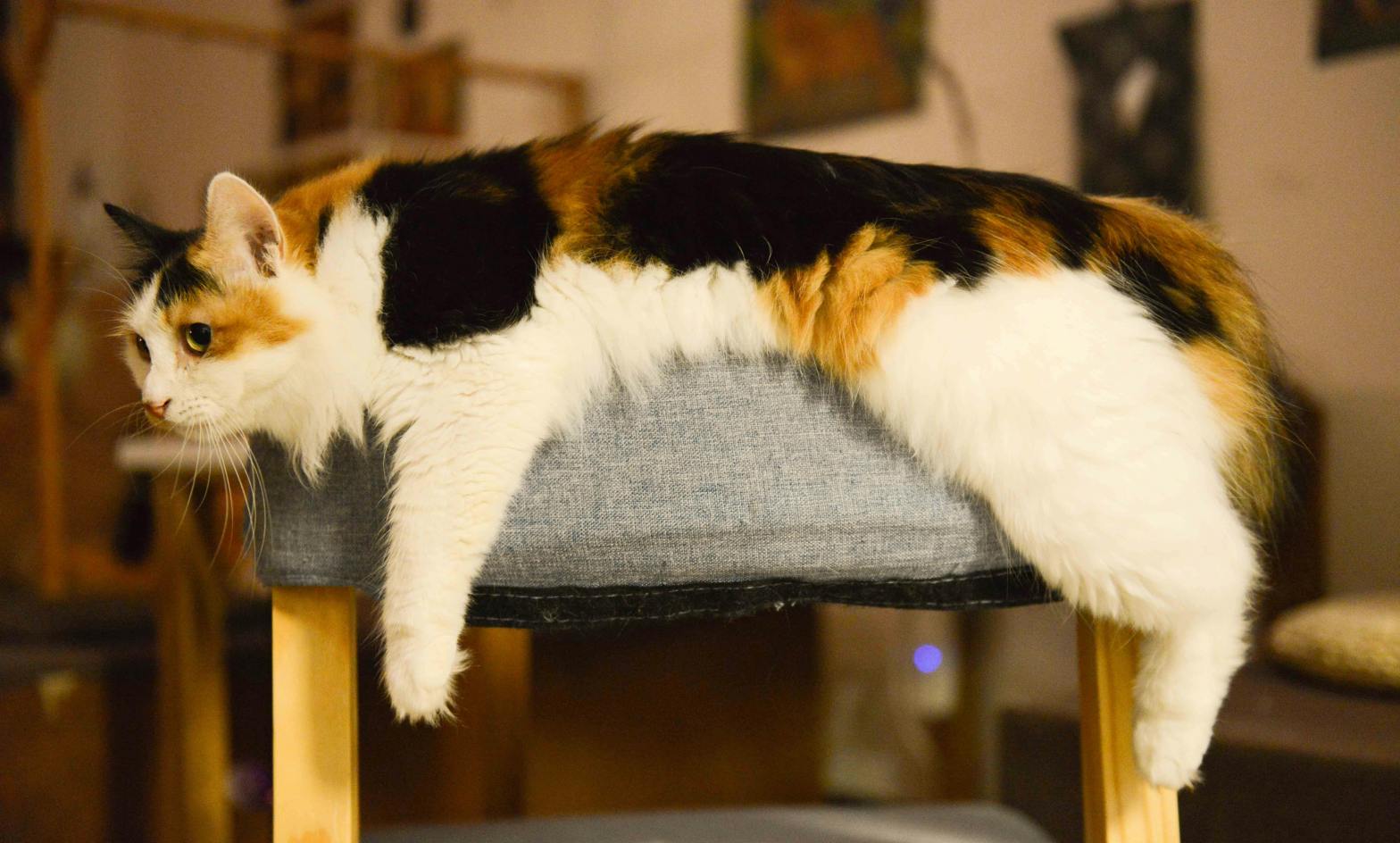
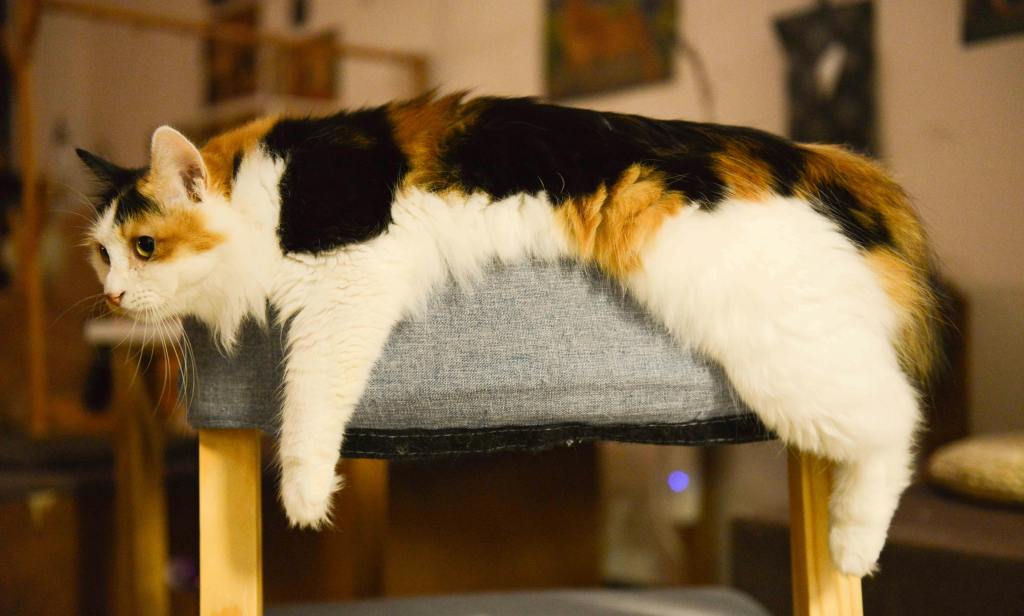
Cats suffering from asthma may exhibit symptoms such as difficulty breathing, wheezing, rapid breathing, coughing or hacking, open-mouthed breathing, or vomiting. These signs can vary in severity, in case of acute respiratory distress to chronic, low-grade coughing, elevated respiratory rate, or increased respiratory effort. During an asthma attack, many cats assume a characteristic hunching posture their bodies close to the ground and extending their necks forward.

Diagnosistics Tools

  • Physical and Clinical Examination – focusing mainly on the respiratory system.
  • Exhaled Breath Condenstate (EBC) Analysis for identification of oxidant-anti oxidant imbalance. The result is dependent on the ratio between H2O2 and Eosinophil in the Bronchoalveolar Fluid (BALF). Increased Ratio is an indicative of a positive allergy in cat.
  • BALF Cytology is the gold-standard for asthma in felines.
  • Species-specific enzyme-linked immunosorbent assay (ELISA) which is linked with allergen-specific IgE.
  • Thoracic Radiographs and Bronchoscopy
  • Intra-dermal skin test

Differential Diagnosis (DDx) – is quite difficult in felines due to very similar signs especially between chronic bronchitits and asthma because both are lower respiratory tract diseases. Every disease have that differencial sign, which gives it away and in case of Asthma it is intermittent expiratory respiratory distress. Lungworm and Heart associated respiratory disease (HARD) have eosiniphilic inflammatory reaction which is similar to the asthma. Trichobezors also be considered when diagnosing feline asthma.

Treatment – Pin-pointing the exact diagnosis leads to a correct treatment plan, which ultimately causes recovery.

Glucocorticoid therapy (Prednisolone) is recommended only for cats showing clinical signs at least twice a week. Administration of Glucocoticoids by inhalation (nebulization) have great theraputic index.

Bronchodilators can be used to allevate respiratory distress and to relieve bronchospasm. LABA (long-acting beta agonists), SABA (short-acting beta agonists), Methylxanthines andanticholinergics are bronchodilators used in cats. In cats with lower airway illness, the injectable SABA terbutaline (0.01 mg/kg) caused a partial reversibility of airway blockage.

The immunomodulator feG-COOH (a salivary tripeptide involved in neuroendocrine immunology) a single dose @ 1 mg/kg was administered orally had significant reductions in airway eosinophilia.

Listen to the sounds that your feline counterpart is making carefully.

The Geek Veterinarian

Importance of Behavior in Veterinary Medicine

T-26

Sad/ Behavioral Disorder in Cats and Dogs.
Behavioral Disorder in Canine and Feline

Veterinary behavioral medicine (VBM) also known as clinical behavioral medicine of animals, is a new discipline within the branch of veterinary medicine. The field of veterinary behavioral medicine deals with diagnosing, treating, and preventing behavioral disorders in animals.

Behavioral Problems in companion animals are a significant cause of abandonment, ergo animal behavior and animal welfare share a silver lining.

What is Behavior?

The activity of an organism interacting with its environment is behavior (Doron and Parot, 1999). Animals also experience behavioral issues. Cats and dogs inculcate various behavioral disorders which are due to the owners’ inefficiency in providing care, food, and temperament, and providing the animals’ essential requirements (needs for movement, game, exercise, diversity of habitat, social contact, etc.).

Animal Behavior is dictated by the genetic makeup, experiences, and environment (epigenetics), and there is a relation between behavioral problems, pain, endocrine diseases, neurological problems, vomeronasal organ alterations, and cardiac disorders. Hormonal Disturbances (predominantly thyroid, and cortisol levels) may cause behavioral disorders,

Behavior is undesirable, there are three levels of consideration in companion animals, which are as follows:

i) Behaviors within the normal range.

ii) Behaviors that are more challenging and beyond the normal range.

iii) Behaviors that are abnormal and pathological due to emotional or mental health issues.

Behavioral problems are categorized based on medical problems, which can change behavior directly or indirectly. These problems include: – Preventing the perception of the environment (Blindness). – Changing the processing of perceived information (Intracranial tumor). – Preventing the expression of behavior (Fractured leg). – Problems that produce a stress response that can modify behavior (Pain).

Behavior within normal range, the pet parent requires exceptional guidance to effectively handle these behaviors. When the behaviors go beyond normal ranges, we’re talking about things like urination, mouthing, mounting, barking, chasing, predation, or overactivity. Such cases call for serious counseling, and in the worst scenarios, the animal may require environmental, managemental, and behavioral modifications.

Aggression, Separation Anxiety Disorder (SADs), Obsessive Compulsive Disorder (OCD), and Phobias are outward manifestations of behavioral disturbances, that your pet experiences.

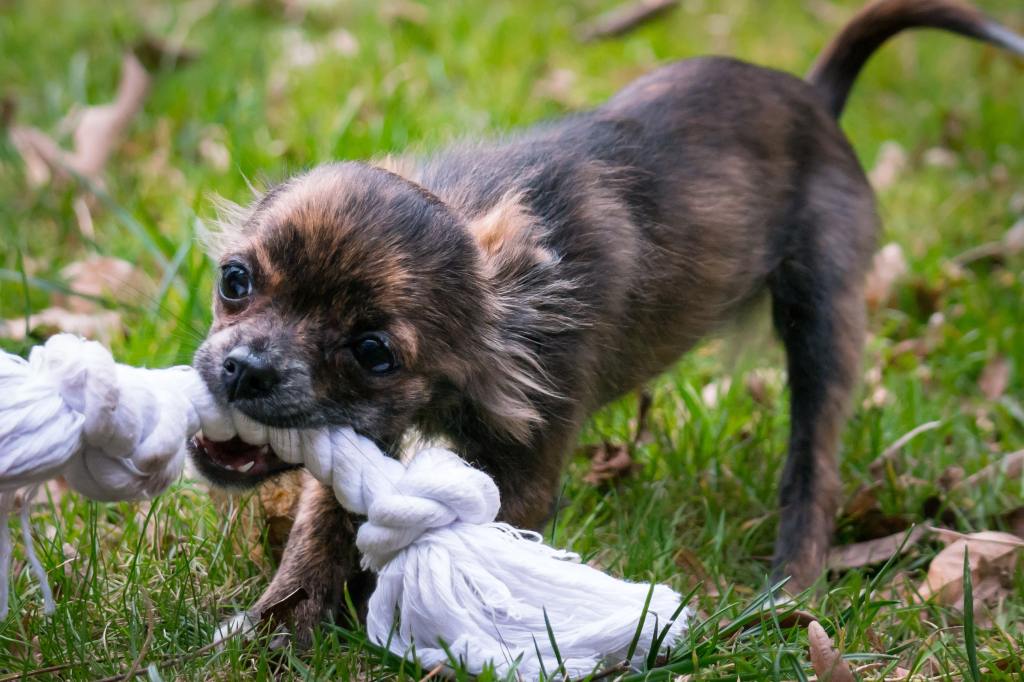
Pup involved in exercise -  rope pulling
Pup involved in exercise – rope pulling

What can you do as a Parent?

  • Understand the needs of your pet – the attention your pet requires, and fulfillment of the essentials.
  • Observation is key – Observing the change in the behavior of pets is essential in developing behavioral disorders.
  • Training – It is as crucial as nutrition. Involvement in early activity reduces the changes of behavioral disturbances.
  • Positive ReinforcementDO NOT USE FORCE/ Negative Reinforcement instead use Positive Reinforcement. Award with treats when responding to your command.
  • Dissociate Good and Bad Behavior – Drawing a thin line between good and bad behavior exhibited by your pet (biting, barking) will eventually reduce the chances of bad behavior.
  • Involvement in daily exercise – Specially with sporting or hunting breeds a minimum of 30 minutes of exercise is as important as water.

What can you do as a Veterinarian?

  • Ask Behavior-related questions – many of the conditions can arise due to changes in the behavior of the pet. During consult. behavioral-related questions should also be asked, any changes in the behavior (excessive barking, growling, biting, aggression).
  • Not everything will be a pathological condition – frequent urination or salivation can indicate an underlying pathological condition, and urination can also indicate behavioral disorder – fear, separation anxiety, phobia, etc.
  • Observation of the pet activities in the examination room, and asking the client for videos of the dog or cat’s activity can help in the diagnosis of the disorder.
  • Some of the well-known signs of behavioral disorders in companion animals are Gastritis, Colitis, and Lower urinary tract infection. The species-specific disorders are Feline Idiopathic Cystitis (FIC) due to stress in the Felines, Pshycogenic Allopesia and Acral granulomas in Canines are medical conditions that are outward manifestations of behavioral disorders.
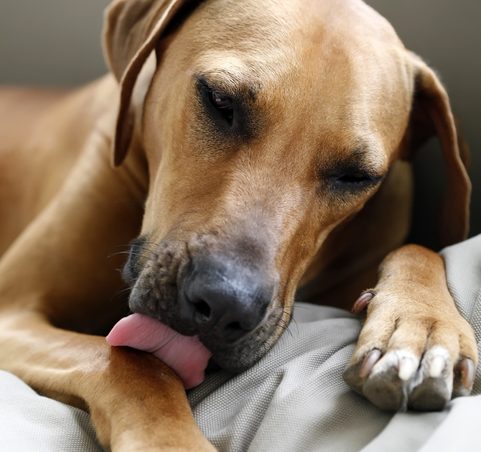
Acral lick dermatitis in dog
Acral Lick

These are some of the signs that you can look for in your furry friend –

  1. Dogs’ ears are facing backward or flattened, and other signs of fear or stress include a lowered posture, a lowered or even tucked tail, panting, increased salivation, trembling, and the emptying of the anal glands, while cats shrink themselves. Pupils are extremely dilated, and the tail is kept near the body. In cats, tail swaying indicates agitation, annoyance, or a high level of arousal.
  2. Cats may crouch, hold their ears downwards, hiss, or squeal when displaying stress levels, but they can also stand on tiptoes, holding their tail stiffly upwards or downwards, and appearing larger due to piloerection. Aggression is imminent when the pupils are oblong and the inner pinna is displayed.

Abandonment of Pets can be abandoned with proper behavioral training, patience, and understanding of the needs of pets. The metabolic needs have to be met as well as psychological needs.

Behavioral disorders need a little more attention than the medical disorders.

THE GEEK VETERINARIAN

Ocular Disturbances in Veterinary Medicine – Canine & Feline

T-25

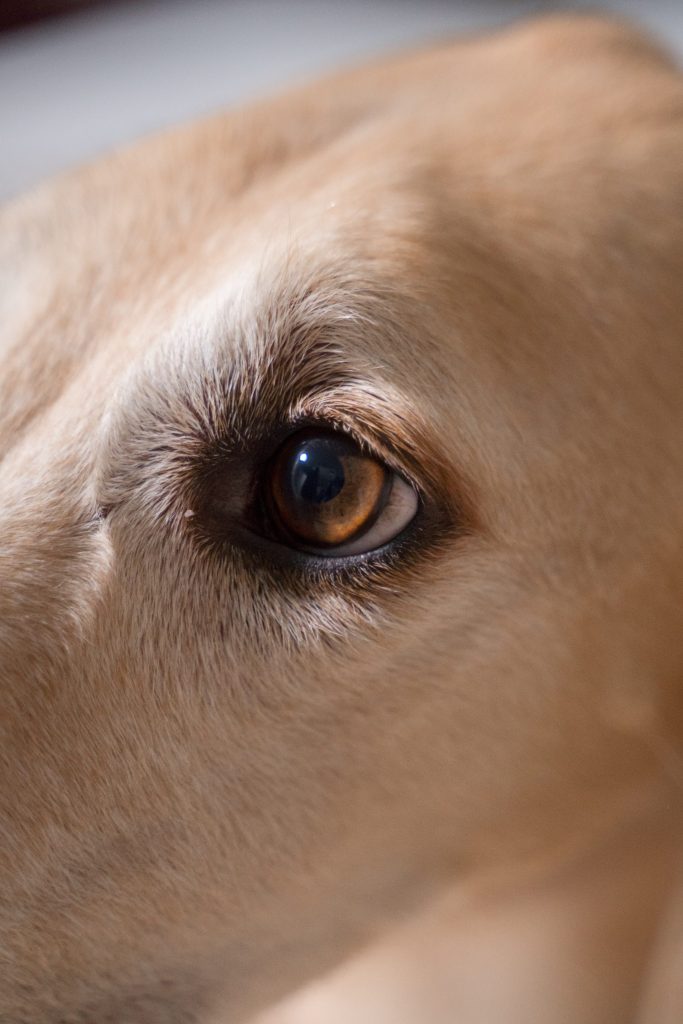
Normal Presentation of the Canine Eye

Ocular or Opthalamic Disturbances are common in veterinary medicine and occur due to various etiology such as parasitic infestation, mechanical injury, neoplasia, and other causes. In this article, we will discuss common conditions that occur primarily in Canines and Felines.

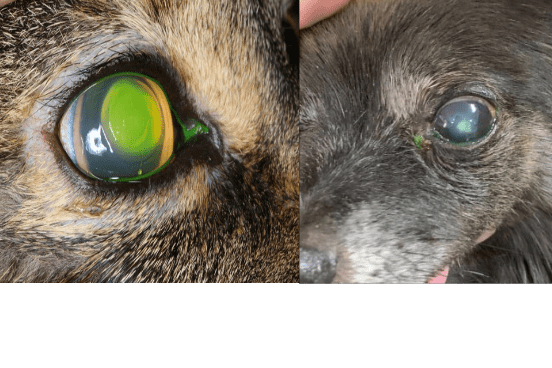
Corneal Ulcers – Corneal ulcer is basically a wound on the transparent window of the eye called a cornea. This can occur due to dry eye, eyelid abnormalities, injury caused by nail scratches, foreign bodies, or any contact with chemicals. Ulcers can be found superficially as well as deep on the cornea by the degree of the injury caused. Hypersensitivity to light, seepage of discharge at the corner, and pain are some signs exhibited by the animal. In felines, corneal Ulcer is commonly associated with Feline Herpes Virus (FHV). A Fluorescein stain test is done to diagnose ulcers.

Corneal Ulcer in Cat and Dog

Corneal Ulcer in Cat and Dog

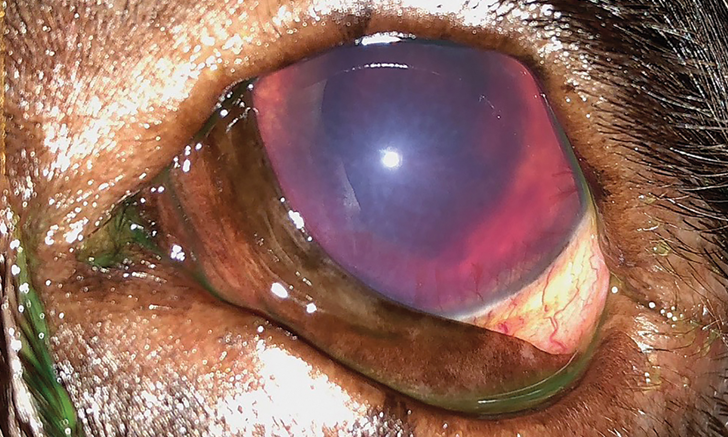
Iridocyclitis — Inflammation of the Anterior Uvea, which is the inflammation of the ciliary body and iris. Causative agents are blunt trauma, cataract, intra-ocular neoplasia, and neurogenic reflex from the cornea. Signs exhibited reduced intra-ocular pressure (IOP), pain, squinting, redness of the eyes, tears, etc. During diagnosis, it should be differentiated from corneal ulcerations and glaucoma.

Iridocyclitis Canine

Iridocyclitis in Canine Eye

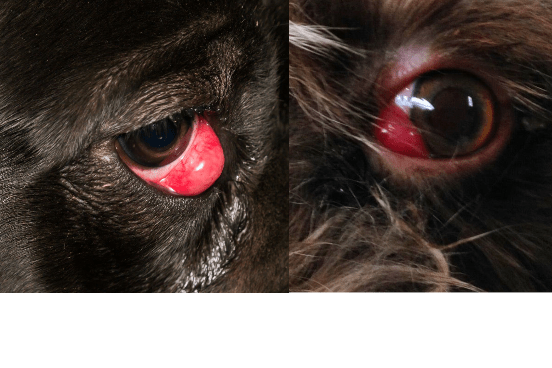
Cherry Eyes – is the prolapse of the gland of the third eyelid. It is more frequently presented in canines than in felines. The third eyelid gland is located on the inner side of the third eyelid and is held inside by a ligament. If this ligament becomes loose or breaks, the gland pops out giving an appearance of the bright red cherry-like mass at the nasal corner of the eye. Some of the commonly affected breeds include cocker spaniels, bulldogs, beagles, bloodhounds, Lhasa apsos, Shih Tzus, and other brachycephalic breeds. Burmese and Persian cats are also susceptible to the cherry eye.

Cherry Eye in Dog and Cat

Cherry Eye in Dog and Cat

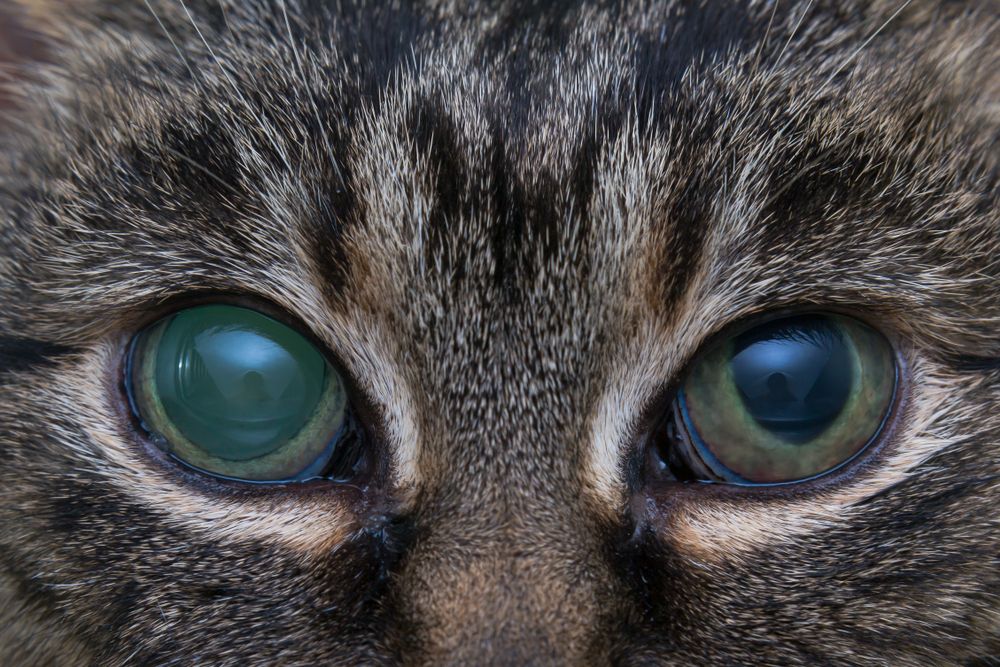
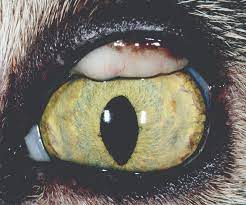
Glaucoma – Glaucoma occurs when an imbalance in the production and drainage of fluid in the eye (aqueous humor) causes a buildup of fluid that increases eye pressure to unhealthy levels. It causes the destruction of the retina and optic disk (the spot where the optic nerve enters the eye).

Glaucoma in one eye of a cat

Glaucoma in one eye of a cat

Glaucoma is of two types – i.) Open-angle glaucoma is a painless and gradual development of blind spots or loss of vision over a long period of time. ii.) Closed-angle glaucoma is a sudden increase in eye pressure with severe pain, redness, and loss of vision, this type of glaucoma is most commonly seen in our patients. Signs of Glaucoma include sluggish to dilated pupils, congestion of the veins in the conjunctiva, cloudy cornea, loss of vision, and enlargement of the eyes.

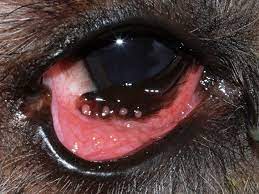
Conjunctivitis – also known as Pink eye, is inflammation of the conjunctiva and is common in dogs. The causes vary from infections to environmental irritants. The signs are redness of the eye, swelling of the tissue around the cornea, discharge from the eye, and mild eye discomfort. Conjunctivitis occurs in both eyes due to viral or bacterial infection.  

Conjunctivitis in Dog
Conjunctivitis in Cat

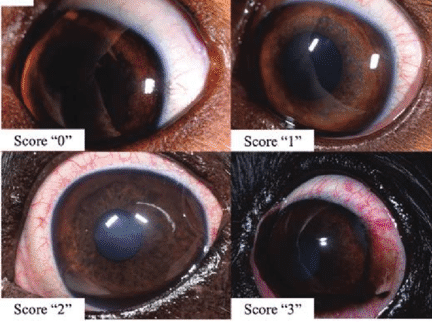
Conjunctival hyperemia is inflammation of the conjunctiva due to other factors like dry eye, corneal ulcers, uveitis, glaucoma, etc. Allergic conjunctivitis due to environmental irritants is common in dogs. The signs are redness of the eye, discharge from the eye, and mild eye discomfort.

Conjunctival hyperemia
Conjunctival hyperemia in Canine Eye with severity score (0-3)

The eye is a highly sensitive and fragile structure, if there is delay in a proper diagnosis and treatment of an eye condition, it can lead to permanent blindness. Many medical and surgical treatment options are available now a days because of emerging specialisation in veterinary ophthalmology. As the saying goes a stitch in time saves the nine, don’t waste any time in taking your pet to a veterinary ophthalmologist or a veterinarian if you notice any eye problem in your pet.

Dr Kasturi Bhadsavle, MVSc, India’s First Veterinary Opthalmologist – The Eye Vet

THE GEEK VETERINARIAN

Tuberculosis in Elephants – Wild and Captive

T-24

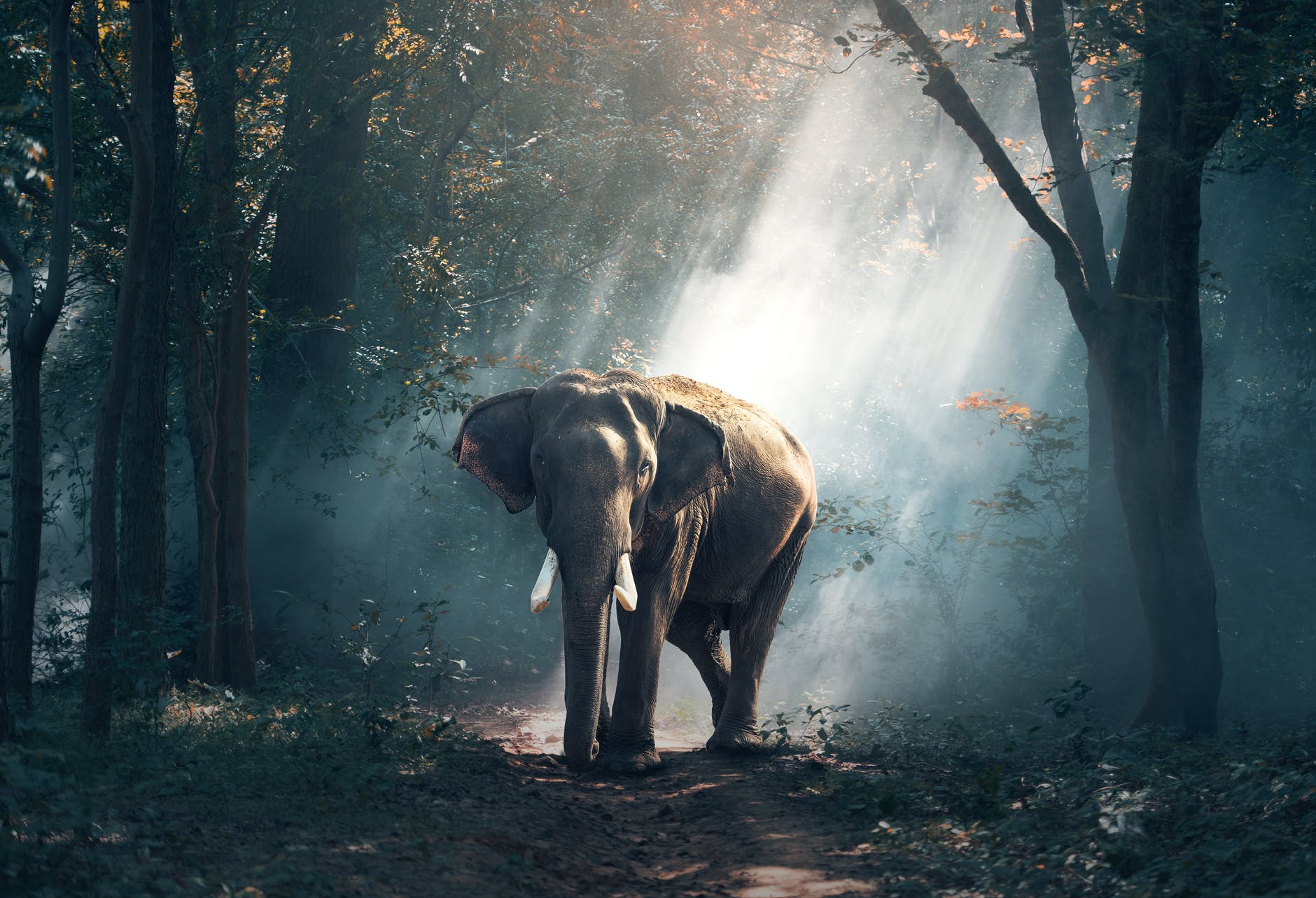
Elephant in Wild

Tuberculosis (TB) is a complex disease with many unknowns. Unlike human tuberculosis, which has been studied for over centuries, elephant tuberculosis has been investigated a few decades ago. Tuberculosis is more common in Asiatic Elephants (Elephas maximus) than in African Elephants (Loxodonta africana).

TB in wild and captive elephants is caused by Mycobacterium tuberculosis, an acid-fast bacteria. M. tuberculosis possesses a zoonotic threat to the elephant keeper and the personnel involved. Habitat encroachment and competition for resources bring wild elephants into closer contact with humans, providing opportunities for zoonoses and reverse zoonoses resulting in Tuberculosis.

Mycobacterium tuberculosis is the predominant infection-causing agent in elephants although cases
caused by M. bovis have occurred. Mycobacterium szulgai, an uncommon non-tuberculous
Mycobacterium species was associated with a fatal disease in two African elephants and
Mycobacterium elephantis, a rapidly growing Mycobacterium, was isolated from a lung abscess of an
elephant that died of chronic respiratory disease.

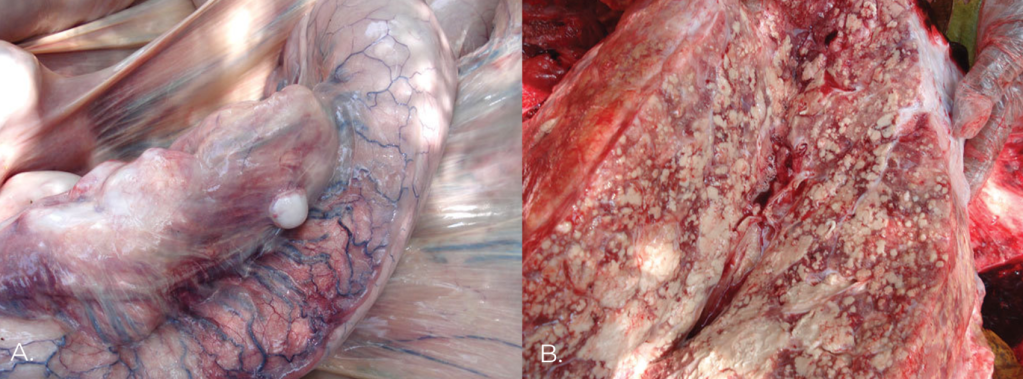
A. Instestine Multiple – white-to-tan discrete nodules (granulomas) are protruding from the serosal surface, and less well-defined areas of pale discoloration are visible within the intestinal wall.
B. Lung – multifocal to coalescing pale tan-to-white firm nodules (granulomas) effacing much of the lung parenchyma.

Diagnosis

Application of diagnostics is crucial in Captive Elephants, as they are in close proximity to Humans and zoo personnel. Some of the diagnostics tools which are used for the diagnosis are as follows –

History of TB in the Zoo

Isolation and Identification of the etiological agent

  1. Trunk Wash (TW) Procedure –

The trunk wash procedure is an active manipulation of the elephant trunk, which can be
performed in free and protected contact systems in non-immobilized elephants after they
are conditioned for this procedure. The principle is that a sterile 0,9% saline solution (approx.
100 ml) is injected into each nostril of the trunk. The trunk has to be lifted actively by the
elephant or passively by the keeper so that the solution is running up to the base of the
trunk. The mixture of the solution and trunk mucus is collected in sterile plastic bags by
the active blowing of the elephant through its trunk. The sample is further cultured and stained for identification of mycobacterium, hence Tuberculosis.

2. Bronchoalveolar lavage (BAL) – The BAL can be performed under standing sedation. Two methods for approaching the
deeper bronchi are being practiced currently.
a. The BAL can be performed through the trunk. In addition to the sedation, a local block
anesthesia in the trunk base is required in order to get relaxation of the cartilage “valves”
present in the trunk base. This procedure requires a 5 m flexible endoscope.
b. Another approach for the BAL is through the mouth. A mouth gag is required to protect
the arm of the veterinarian who carries out the procedure. A 3.5 m long flexible
endoscope can be advanced deep into the trachea, guided by the fingertips of the
operator.

An additional sample increases the chance to detect mycobacteria originating from swallowed sputum and can also be used for culture and PCR.

“Monitoring the mohuts and their family hygiene with periodical health check up is mandatory”.

Dr. Ilayraja Selvaraj, Wildlife Veterinarian, Wildlife SOS

Immunological Tests

A positive immunological test confirms a prior contact of the animal’s immune system with
mycobacterial antigens. This may indicate either a TB-positive animal with active infection, prior
contact with TB, which leads to sterile immunity (no TB infection present), or a false-positive reaction
due to contact with closely related non-pathogenic mycobacteria.
A negative result does not exclude infection and can implicate either: a truly negative animal, a TB positive animal in which an immune response has not (yet) developed (closed TB, latency), or a TB positive animal with advanced stage(immunological non-responsiveness) (late stage clinical
TB).

  1. Comparative skin test – this “classical” test uses PPD-derived M.bovis-tuberculin and PPD-derived M.avium-tuberculin. Due to the special skin properties of elephants, the use of the comparative skin test in this species has no diagnostic value. There is some evidence, that repetitive skin tests
    can boost the immune response in TB-positive animals. To measure this booster effect a
    heparin blood sample must be taken 2-3 weeks after tuberculization (cells to be used for the
    IFN- γ, plasma for antibodies).
  2. Interferon-gamma (IFN- γ) Test – Stimulation of leucocytes with positive and negative controls, PPD-B, PPD-A, and MTB-Complex specific recombinant antigens, the in vitro production of IFN-γ is measured using an elephant IFN-γ-specific ELISA.

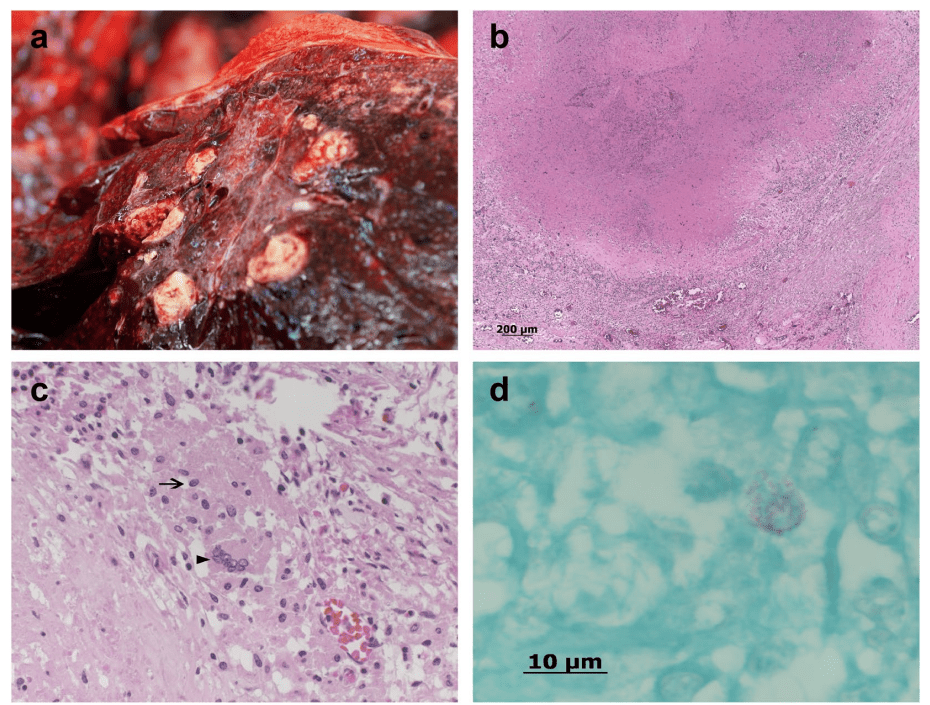
Post-mortem Findings – Necropsy of the dead elephant should be done, for any tubercle finding which may indicate tuberculosis.

a. Lung -Asian elephant tuberculosis. Multifocal to coalescing yellow-grey nodules, surrounded
by connective tissue and central caseous necrosis were observed during necropsy.
(b) Histopathological
examination revealed organized granulomatous inflammation with caseous necrosis, consistent with
chronic TB-lesion, hematoxylin and eosin (HE).
(c) Inflammation is characterized by numerous epithelioid
macrophages (arrow) and several multinucleated Langhans giant cells (arrowhead), HE.
(d) Alveolar
macrophage with intracellular acid-fast rods, Ziehl-Nielsen

In the unfortunate event that tuberculosis has been confirmed either during necropsy or from culture
or PCR of samples taken from a living elephant, the official authorities should be informed.

The threat of extinction is more real than many realize. And the damage done to elephants directly leads to destruction of the ecosystem.

THE GEEK VETERINARIAN

Ticks Mites Lice and Fleas

T-23

Ticks-Mites-Lice-Flea

Parasitic Infestation in animals is a major cause of loss in the health of animals. Parasites can be found from cattle to goats, to dogs, cats, and humans as well and the list goes on ” n” on. This article is about ticks, mites, lice, and fleas which are a small part of a bigger parasitic problem in animals.

Ticks

Ticks are blood-sucking parasitic arachnids that belong to the superorder of Parasitiformes, of the phylum Arthropoda. They are further classified as Hard (Ixodidae) and Soft (Argasidae)Ticks based on the presence of an outer hard shield. Ticks are eight-legged (four pairs) parasites, which have four staged life cycle which includes an egg, six-legged larvae (seed tick), eight-legged nymph, and, eight-legged adult. They require multiple hosts to complete their life cycle i.e. Heteroxenous parasite. Cats, dogs, horses, rabbits, and, humans are parasitized.

Ticks as vectors of several zoonotic diseases are ranked second only to mosquitoes as vectors. The diseases spread by ticks are a major constraint to animal productivity while causing morbidity and mortality in both animals and humans. A number of tick species have been recognized for long as vectors of lethal pathogens, viz. Crimean-Congo hemorrhagic fever virus (CCHFV), Kyasanur forest disease virus (KFDV), Babesia spp, Theileria, Rickettsia conorii, Anaplasma marginale, etc. and the damages caused by them are well-recognized. Ticks and Ticks borne diseases (TTBDs) in cattle and buffaloes are frequently heavily infested, which apart from transmitting diseases such as theileriosis, babesiosis, and anaplasmosis, also cause extensive damage to the livestock health and production.

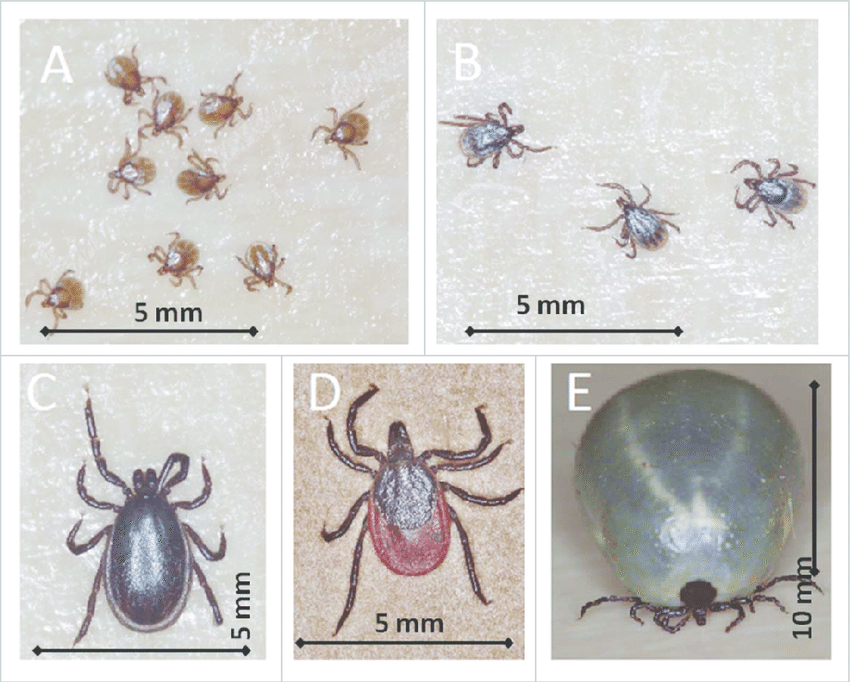
Stages of Tick A.) Larve B.) Nymphs C.) Adult Male D.)Unfed Female E.) Fully engorged female

Diagnosis is mainly done by Clinical Signs exhibited by animals, Serological Tests, ELISA (IgM) capture assay, Indirect immunofluorescence assay. Control Measures are important in controlling the TTBDs, vaccines such as TickGARD, GAVC, Chemical control methods can be used to limit the disease.

Lice

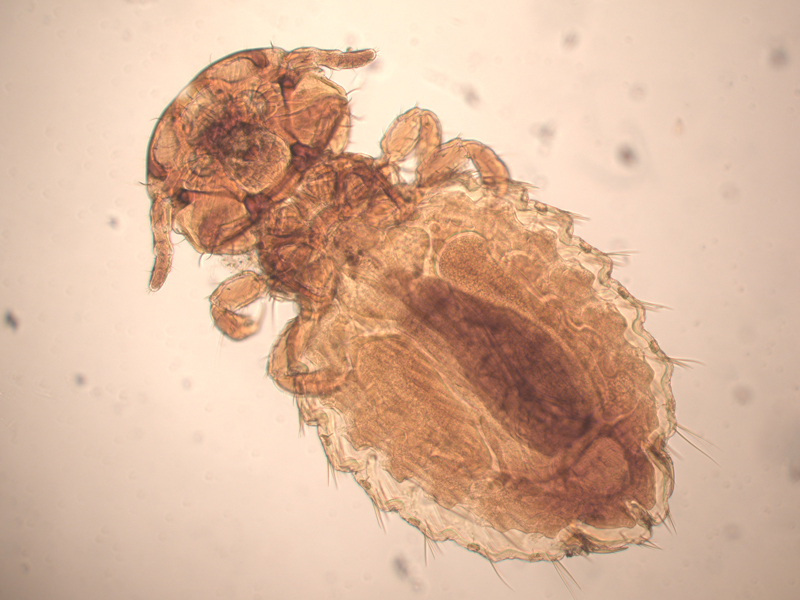
Lice (Phthiraptera) are wingless, blood-feeding, or skin-chewing ectoparasites, which belong to the Arthropoda phylum of the animal kingdom, that are a danger to pets, livestock, and humans.  There are 3200 known species of lice that infect wild birds or animals but only a small percentage has any known medical or veterinary importance. There are two important groups among lice, blood-sucking (Anoplura), and chewing lice(Mallophaga).

Adult lice are small (0.4 – 10 mm), wingless, and dorso-ventrally flattened.  The female glues her eggs (nits) onto the host’s hair or feathers. There can be 10-12 generations a year.  Bloodmeal is essential for the development and survivorship of all sucking lice while chewing lice can survive several days off the host. Metamorphosis is incomplete in the life cycle.

Menopon gallinae, Columbicola columbae, are bird-biting lice while Damalinia spp. is ruminant biting lice. Trochodectes canis, Heterodoxus spiniger are Dog biting lice, Felicola subrostratus is found in cats.

Trochodectes canis lice of Dog

Lice in various animals cause different disorders such as anemia, dermatitis, pruritus (itchy skin), hair loss, allergies, and in some cases lameness. In milch animals, it leads to low milk yield. In Equines, coat deterioration and hair loss are experienced along with other signs.

Diagnostics involved Direct Microscopy(DMC) of the skin scrapping sample collected from the infested site (skin, hairs). The presence of Nits or Lice Confirms the infestation.

Control and Prevention – Clipping of matted hairs and wool, Using a Flea comb for companion animals, Flea shampoo. Topical application of Fipronil, Selamectin, Amitraz(in cattle). Ungrouping of the animal also shows great results in controlling the spread among animals.

Mites

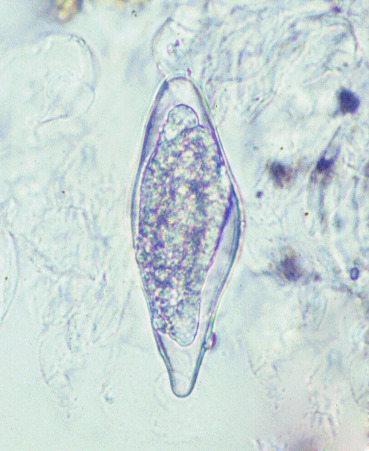
Mites are small arachnids (eight-legged arthropods), have six-legged larvae hatch from fusiform-shaped eggs, and which undergo several molts to become eight-legged nymphs and ultimately adults. All stages of the life cycle (eggs, larvae, nymphs [protonymph, deutonymph], adults) reside within the lumen of hair follicles and within sebaceous gland ducts, and some species are found in the stratum corneum. Elongated mites are often described as Cigar-shaped.

Demodex spp.

Demodex spp. is found in the hair follicles in the skin. They crawl from the dam to the newborn pup or kitten, during the first few days of life. They don’t cause any harm in small and are considered normal inhabitants of the skin. These mites are not contagious from animals to animals, or animals to humans. The skin disease is caused by the increased number of mites is called Demodicosis or demodectic mange. It is rare in cats.

Except for Poultry mites (Dermanyussus gallinae) are visible to naked eyes, while others are microscopic.

Skin scrapping or removal of the superficial layer of a small area of skin with a scalpel blade is made using mineral oil and examined under a microscope.

Flea

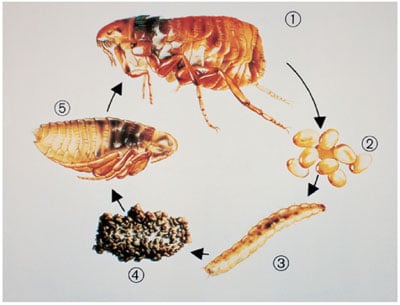
Stages of Flea 1.) Adult Flea 2.) Flea Egg 3.) Flea larva 4.) Pupa 5.) Pre-emerged adult

Fleas are wingless, brown, blood-sucking insects that may infest dogs and cats, and other warmblooded animals. Fleas transmit several diseases such as plague) and parasites such as tapeworms. Young animals heavily infested with fleas may die from severe blood loss.

Flea eggs laid on the host are smooth and quickly fall off into the animal’s environment. The eggs are oval, white, and glistening. Small larvae hatch from the eggs and feed on the feces from adult fleas. After several molts, the last larval stage forms a pupal case while in this case, the larva develops into an adult flea. The adult flea emerges from the pupal case and searches for an animal. fleas move rapidly on the skin and are most easily found on the rump and in the groin area.

Flea saliva when deposited in the skin each time the adult flea bites an animal, which leads to irritation and an allergic reaction can cause severe itching, resulting in the skin disease termed flea allergy dermatitis. Biting and scratching around the rump and groin areas is the most common sign of flea allergy. Hair loss, a red rash, and thickening of the skin are commonly seen.

Successful treatment of flea allergy dermatitis requires the absolute elimination of fleas from contact with the affected dog or cat. Frontline as a spot-on and Simparica (chewable) can be given to treat flea infestation.

Say no to Fleas and Ticks

THE GEEK VETERINARIAN

Equine Sinusitis

T-22

Equine Sinuses

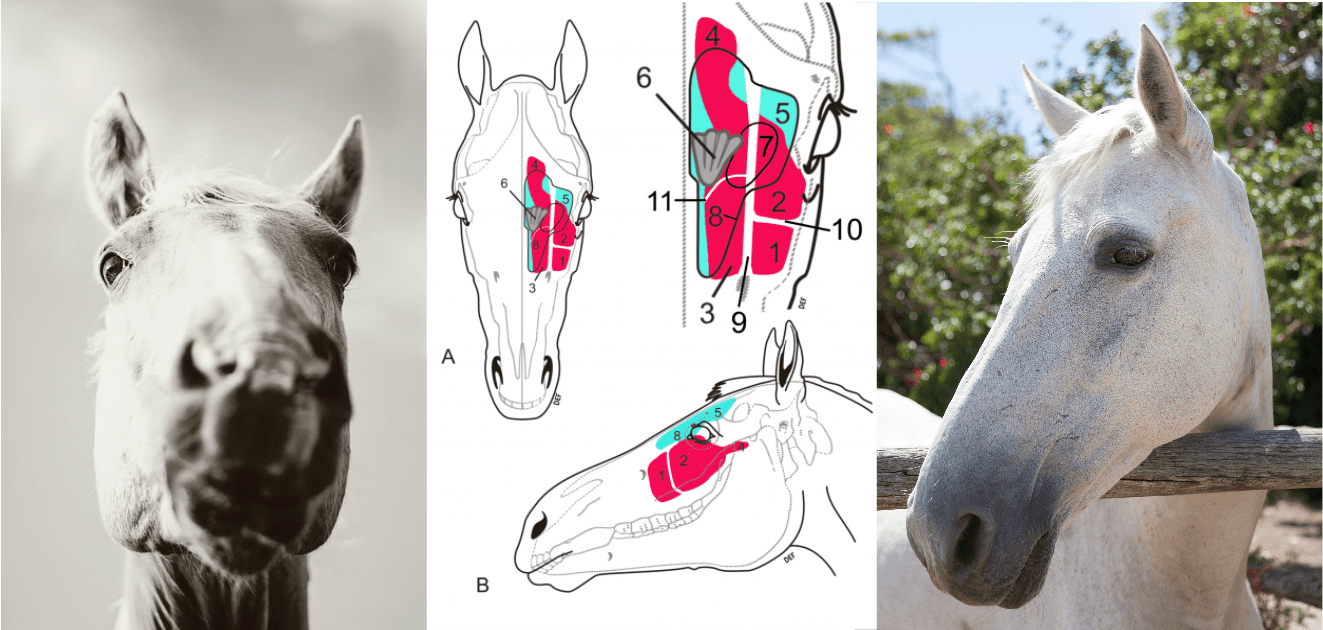
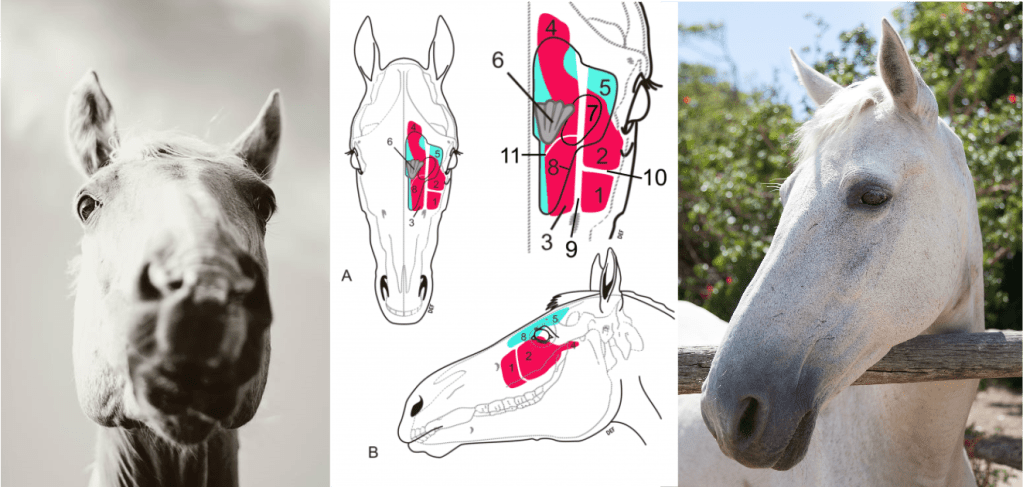
Sinus or sinuses are a connected system of hollow cavities in the skull and part of the respiratory system. They are extensive air-filled cavities in the horse. They have evolved in such a way that they allow the horse’s head to achieve the size required to accommodate its large array of molars and pre-molars, with minimal weight addition. They are located on each side of the head, above, below and between the eyes, and extending down the face to a point level with the end of the very obvious facial crest.

Sinusitis or Sinus Infection is the inflammation of all the sinus cavities on one side of the horse’s head. There are two majorly causes of infection-

  • Primary Sinusitis – in which a bacterial infection invades the delicate lining of the sinus and causes a build-up of pus in the sinus cavity, mainly indicated by unilateral nasal discharge and are diagnosed by endoscopy, radiological interventions, anf sampling of fluid from the sinuses.
  • Secondary Sinusitis – arises from a diseased cheek tooth, these infections are resolved by ifected tooth extraction. They show similar but severe signs like Primary Sinusitis infected horses, and have malodorous breath.

Common Conditions related to sinus are as follows-

  • Progressive Ethmoid Hematoma
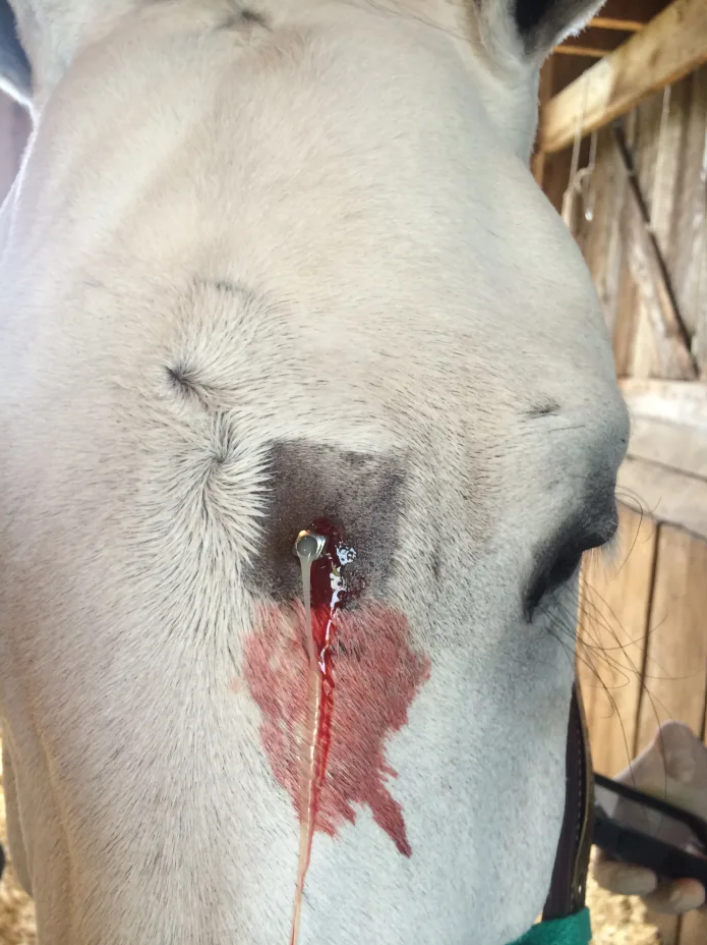
  • Wounds and Fracture
  • Sinus Cysts
  • Cancer and fungal infections are less common, which typically develop in older horses and have mixture of clinical signs, outward swelling, persistent mucous discharge, trickle of blood from the nose, sometimes bad odour and show depression and fever.
  • Guttural Pouch Myscosis
  • Surgical Intervention works best in Benign tumor, while in Malignant severe
  • Blunt Force Trauma

Diagnostics

  • Endoscopy
  • Nasal Sampling
  • Radiological Techniques – Xrays, CTs and MRIs

Treatment

Once the infection is identified, in the preliminary stage it can be treated with antibiotics, and in severe cases, Flushing/ Lavage of sinuses is done, sedating the horse, and a small hole is drilled in the facial bone to access the sinuses for flooding.

Secondary Infection has is also treated with antibiotics and flushing.

In the case of neoplasia, surgical intervention is required, to remove the mass.

I work well under pressure as long as it isn’t sinus pressure

THE GEEK VETERINARIAN

Reptile Nutrition

T-21

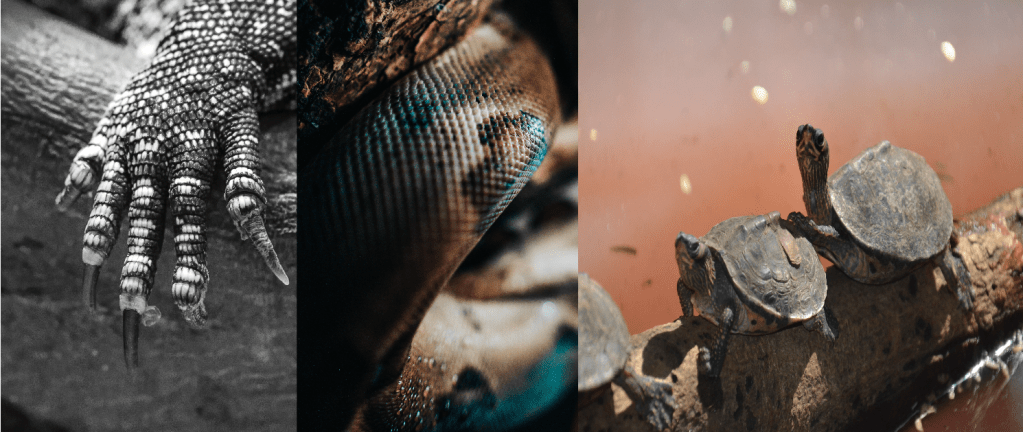
Reptiles belong to the class Reptilia of kingdom Animalia, according to the 5 kingdom classification given by Robert H Whittaker. Reptiles are cold-blooded poikilothermic vertebrates. They include snakes, crocodiles (an exception to the three-heart chamber), turtles, geckos, lizards, and the list goes on, with a species count of eleven thousand five hundred seventy all over the globe.

In this article, I have enlisted the nutritional requirement of the Snakes, Lizard, and Turtles kept in ex-situ conservation (Zoos), in captivity, or as pets.

  • Snakes
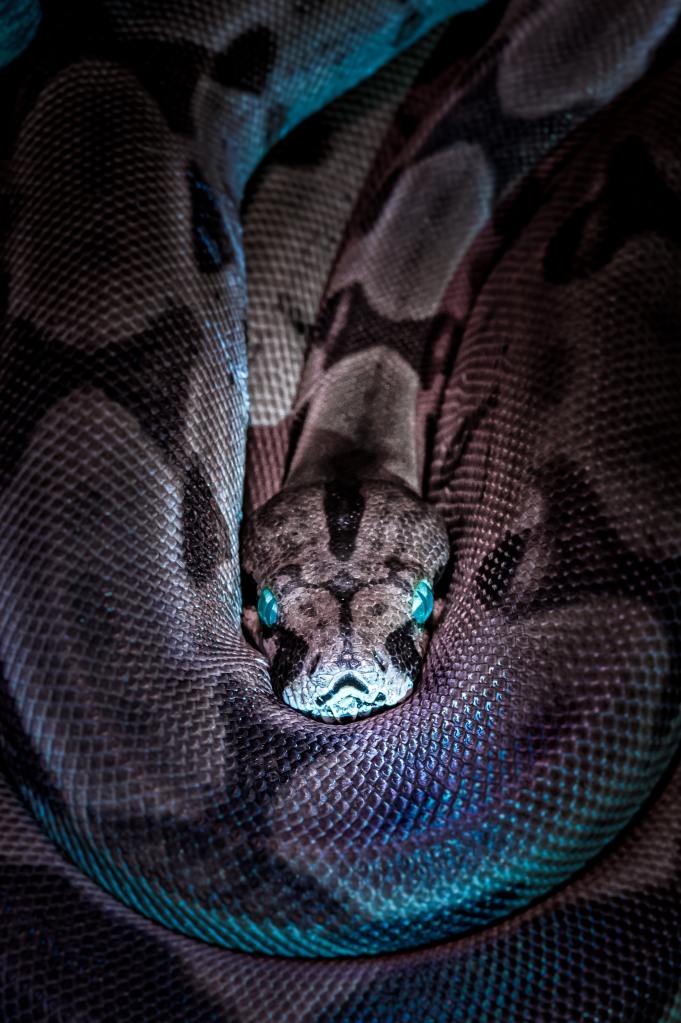
Python

Beautiful yet deadly organisms, which crawl all over the earth. Limbless, elongated body and tail, in wild they are predator, while in captivity they tend to get obese, and requires to check on nutrition now and then.

Different species of snakes have different prey, some are specialized egg prey, while some feed on mice, hamsters, rats, chickens, ducks, or rabbits. Frozen thawed prey are fed to the zoo snakes. King Cobra prefers poikilothermic prey (in the wild), homeothermic prey can be fed to it in captivity, which are easily available and less expensive.

Minced Prey is fed with agar, gel, or sausage form, mineral mixture, vitamins, antibiotics, and coccidiostat are added. Preferred feed is rubbed off over the sausage, before feeding it to the snake. Sausage form is mainly fed to captive snakes.

Most species are fed every 1 to 2 weeks, while some less active may typically go up to 6 weeks. Force-feeding should be used when necessary.

  • Turtles
Turtle in the wild

Turtles belong to the Testudines order of reptilia, the only vertebrates with a complete shell.

Freshwater turtles are the primary meat consumers in the wild, but some also consume plant-based material. The feeding pattern changes from species to species, and from age to age. A carnivorous or omnivorous turtle gel food is prepared. Commercially turtle feed which is in pellet form and has 30-45% of protein, is also fed to the carnivorous species, fruits and vegetables are added to the feed of omnivorous species.

Ingredients Quantity
Water270g
Gelatin34g
Corn Oil11g
Spinach23g
Cooked Sweet Potato23g
Trout pellets50g
Vitamin-mineral Supplements6g
Gel Food for Turtle

On Dry-matter basis, this food contains 47% protein, 14% fat, 1.5% calcium, 0-55% phosphorus, Retinol 10,000IU/kg, Calciferol 1000IU/kg.

Crayfish, shrimp are added to the tank for stimulation of turtles to hunt or exercise.

  • Lizard

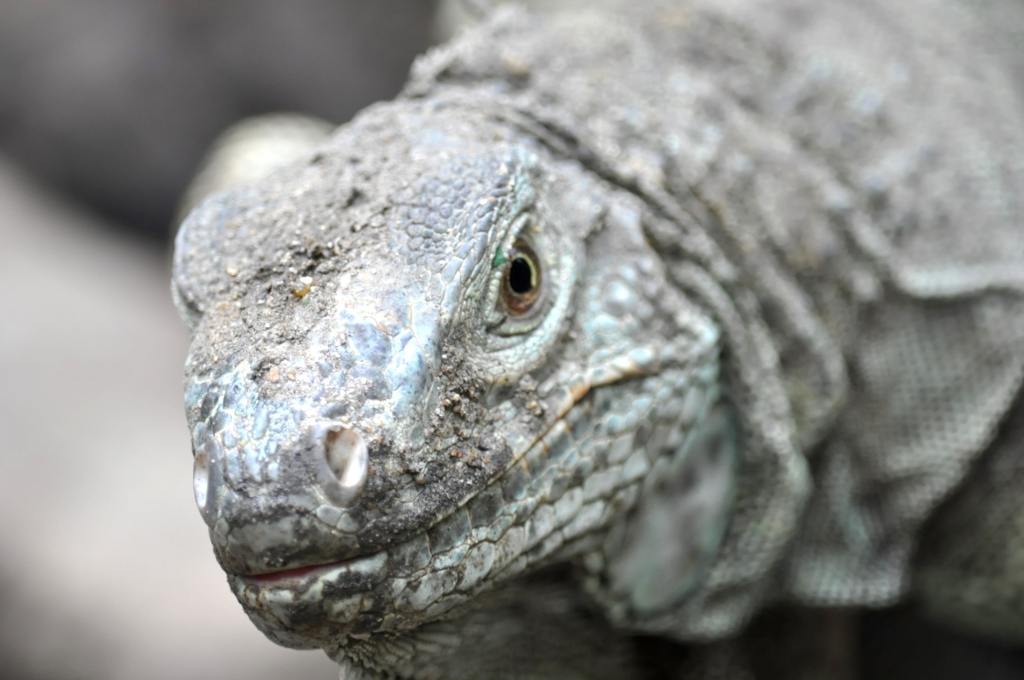
Lizards have diverse feeding patterns. Insectivorous like Leopard gecko, Whiptail lizard, chameleon, while Monitor lizard, Gila monster, Mexican bearded lizard are carnivorous and Iguinids and Agamid species are either herbivores or omnivorous.

Insectivorous lizards kept in captivity are usually fed with mealworm larvae or crickets, because of the calcium concentration in these insects is extremely low (0.03-0.3% calcium with 0.8-0.9% of phosphorus). The inverse calcium-phosphorus ratio must be corrected before feeding the insects. Calcium Carbonate is fed to these insects 3 days prior to feeding insects to the lizards. A ratio of ~1.2:1 should be maintained.

Large insectivorous lizards consume earthworms and mouse pups.

IngredientsQuantity
Wheat middlings29%
Corn Meal10%
Grounded Dog/Cat Food40%
Ground Oyster Shell21%
High Calcium diet for Crickets

Carnivorous lizards are offered with mice, rats, rodents, birds, chickens, and eggs. The size of prey should be appropriate for the lizard species, while omnivores are fed a combination of various insects and chopped vegetables.

Herbivore species are adapted to ferment plant fiber in enlarged hindguts, microbes in the cecum, and colon digest plant fibers. they should be fed a plant-based diet to ensure healthy gut function. Most lizards are fed daily or at least every other day, large carnivores are fed once or twice a week.

Photoperiod, temperature, humidity, substrate, stress, and cage furniture can affect the behavior and nutritional intake

Try to be like the turtle – at ease in your own shell.

THE GEEK VETERINARIAN

Second Year

T-20

Vet student going through the coursebook

You Opened this article because you have got yourself through the first year and landed into the second year of Vet School or It’s two am you are recalibrating your life and steering clear. To ease things a bit for you, I am listing all the material you need for the second year.

Second-year have 5 core subjects with a total credit hour of Twenty-two, and the following subjects are:-

  • Veterinary Pathology [VPP]
  • Veterinary Microbiology[VMC]
  • Animal Genetics and Breeding [AGB]
  • Animal Nutrition [ANN]
  • Veterinary Biochemsitry [VBC]

Veterinary Pathology – is a subject in which you will learn about the pathogenesis of various organisms, performing post-mortem examination, and learning differences between the physiological normal and abnormal tissue. It holds a credit hour of four plus two, which means theory and practical classes respectively.

For reading prefer the books prescribed by the university or the professor or pick any of the following books:-

  1. Veterinary Pathology by Ganti A Sasti and P. Rama Rao
  2. Textbook of General Veterinary Pathology by J.L Vegad
  3. Veterinary Systematic Pathogy by J.L Vegand and Madhu Swamy
  4. Textbook of Veterinary Special Pathology by J.L.Vegad and A K Katiyar
  5. Textbook of Veterinary Pathology by R S Chauhan

Veterinary Microbiology – is concerned with bacterial, viral, and fungal diseases of domesticated vertebrate animals. Veterinary Immunology and Biotechnology is a branch that investigates the physiological functions of the animal immune system and the development of vaccine content for them.

It has a credit hour of three and two, and the prescribed books are as follows:-

  1. Veterinary Microbiology and Microbial Disease by P.J Quinn and M.E Cater
  2. Veterinary Immunology – An Introduction by Ian Tizard

Animal Nutrition – encompasses the full gamut of animal nutritional science, including but not limited to, a fundamental aspect of animal nutrition such as a nutritional requirement, body composition, energy requirement, and applied aspect of animal nutrition such as raw material evaluation, feed additives, the nutritive value of novel ingredients and feed after. In a three-plus one credit hour subject, you will be taught about the nutrition of livestock, companion, and wildlife animals.

The recommended books are as follows:-

  1. Principles of Animal Nutrition and Feed Technology by D.V Reddy
  2. Applied Nutrition – Livestock Poultry, Rabbits and Laboratory Animals by D.V Reddy
  3. Applied Nutrition – Cats, Dogs, Wild Animals and Birds by D.V Reddy
  4. Animal Nutrition By P.Macdonald (OPTIONAL)

Animal Genetics and Breeding – Animal Genetics and Breeding is the field of study that includes all the aspects of livestock genomics and breeding for better production of farm animals as well as the products from these animals. It have a credit score of three plus one.

  1. Statistics and Computer for Animal and Veterinary Sciences by Rakesh Goel
  2. Animal Genetics and Breeding (PB) by Sukhvir Tomar, Arun Kumar, Rajbeer Singh

Veterinary Biochemistry – Biochemistry is one of the few basic sciences where animal and
plant kingdoms meet. In veterinary education and research, biochemistry is highly relevant to the metabolism and function of animals in health and disease, and forms the basis for an intelligent
understanding of major aspects of veterinary science and animal husbandry. It has a credit hour of two plus one.

  1. Biochemistry by U. Satyanaryana and U. Chakrapani.

For best results do refer to the Lecture Notes. While regular reading and revision is the key to success, you also need to know which topics require more emphasis and focus, and which to give lesser importance and emphasis.

Moreover, you can reach me anytime at thegeekvet@gmail.com for any queries and curiosity.

“You must either modify your dreams or magnify your skills”

THE GEEK VETERINARIAN

Aleen Cust

T-19

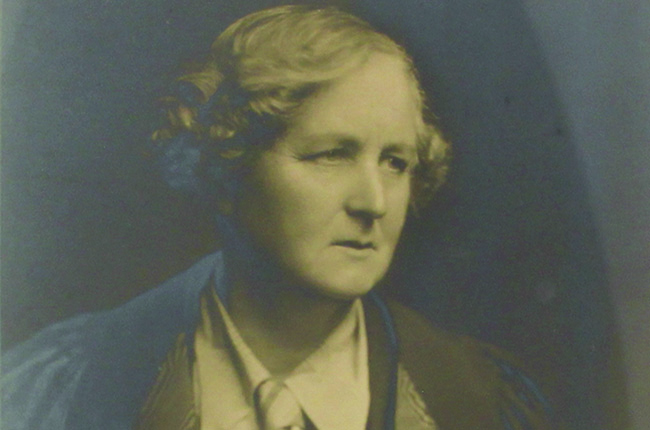
Aleen Cust

Women have struggled a lot in getting an education in the past. During that time an educated woman was a slap on the face of patriarchal society. One such woman in the field of Veterinary Medicine is Aleen Isobel Cust, the world’s first female veterinary surgeon.

Aleen I. Cust fourth of six children, born to Sir Leopold Cust and Charlotte Sobieske Isabel in 1868 in County Tipperary, United Kingdom. Once during her childhood asked about her future and she said “A vet was my reply ever and always”. Begin her training as a nurse at London Hospital, but later gave up to become a Veterinary Surgeon. She enrolled and completed her studies in Veterinary, from the University of Edinburg winning a gold medal in zoology, but denied to sit for the final examination and was not admitted as a member of the Royal College of Veterinary Surgeons (RCVS), and also lost in the court.

Nevertheless, she went on to practice with William Byrne in County Roscommon. Later, Cust was appointed as a Veterinary Inspector by Galway County Council under the Diseases of Animals Acts, but this appointment was denied due to a lack of professional recognition by RCVS. During the rise of World War One, Aleen left for Ireland to volunteer to aid in the treatment and care of the Horses, soon appointed to a army bacteriology lab that was associated with a veterinary hospital and was listed as a member of Queen Mary’s Army Auxiliary Corps and after the war, this aided into her acceptance into the RCVS.

Aleen Cust at Army Bacteriology Lab

This led to the removal of the Sex Disqualification Act 1919, and after three years she was awarded her diploma and became the first woman.

After this, she practiced veterinary for two more years and retired in 1924, moved to the village of Plaitford, Hampshire, England. She died in 1934 of a Heart Attack, in Jamaica when visiting her friends.

“Each time a women stands up for herself, she stands up for all women”

THE GEEK VETERINARIAN

Veterinarian’s Oath

T-18

Veterinarian taking Oath
The biggest moment in the life of a veterinary student is when the oath day comes. Every country council prepares the oath.

In India, the oath is as follows-

“Being admitted to the profession of Veterinary Medicine, I solemnly swear to use my scientific knowledge and skill for the benefit of society through the protection of health and welfare, prevention and relief of animal suffering, conservation of livestock resources, promotion of public health, and advancement of medical knowledge

I will practice my profession conscientiously, with dignity, and in keeping with the principles of veterinary medical ethics. I accept as a lifelong obligation the continual improvement of my professional knowledge and competence. “

"I was made for saving animals"

THE GEEK VETERINARIAN